“Where does the body end?” is a good question but “How does the body end?” is better.
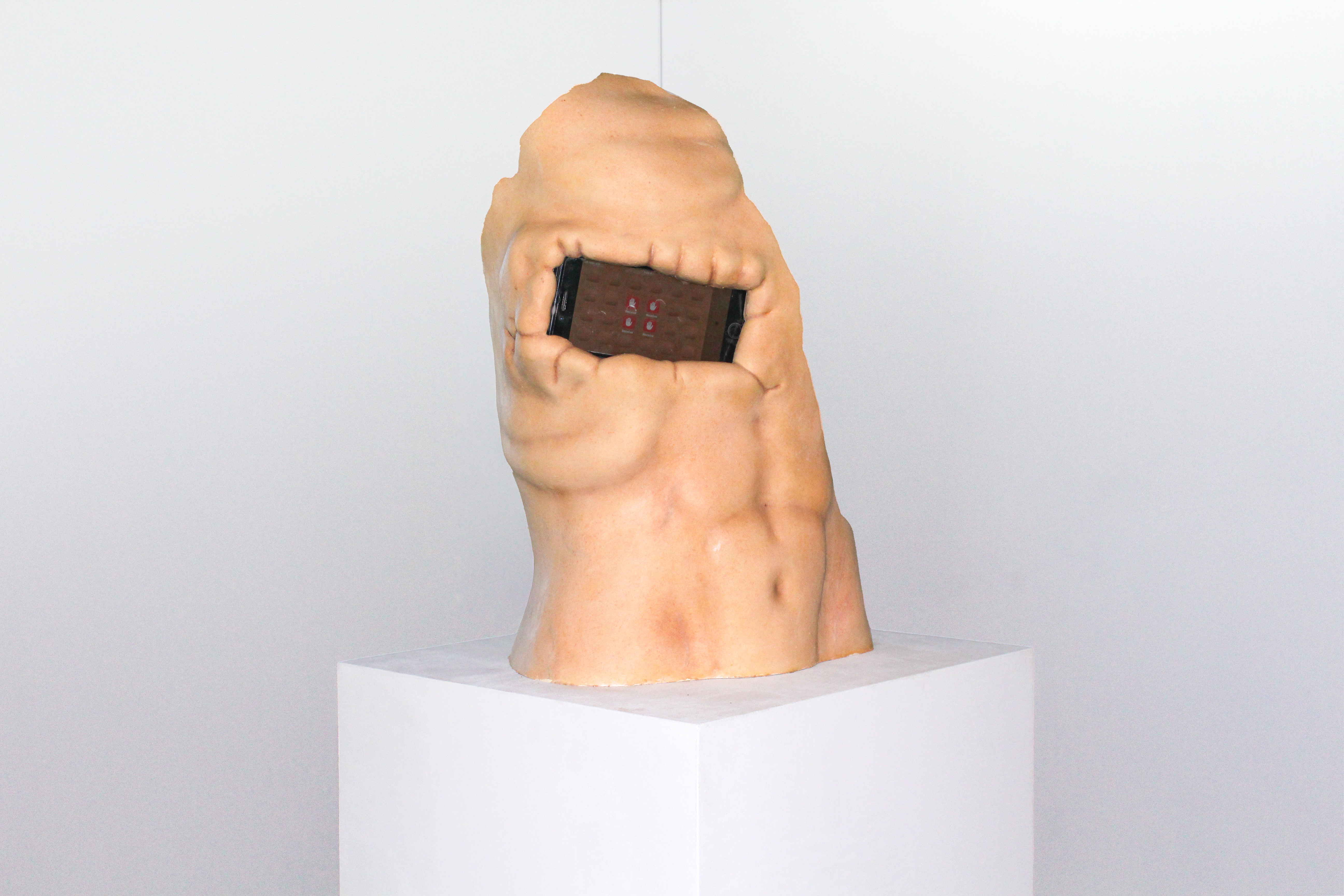
When my hand touches a screen, at which point does it cease to be my bodily sensor and become a mechanical input to a greater system? Do I see the sidewalk beneath my feet or only bird’s eye view of streets marked by hexcode color: #0f53ff? Where is my mind? Non-rhetorically, can you wring fallible human blood from the perfect facets of a thinking stone?
At the center of this inquiry is the concern that our maps may betray us yet. Mike Pepi spells this out in his excellent book Against Platforms, stating:
“If the original sin of datafication was trying to capture the world objectively all the time (and believing it could), then the second sin was to try to pry some higher, more evidentiary picture of the world from its binary, highly fraught, multidimensional mirror.”
By positioning data-centric mappings as an act of faith in a higher truth, we can begin to understand both its miraculous and profane outcomes on the human subject.
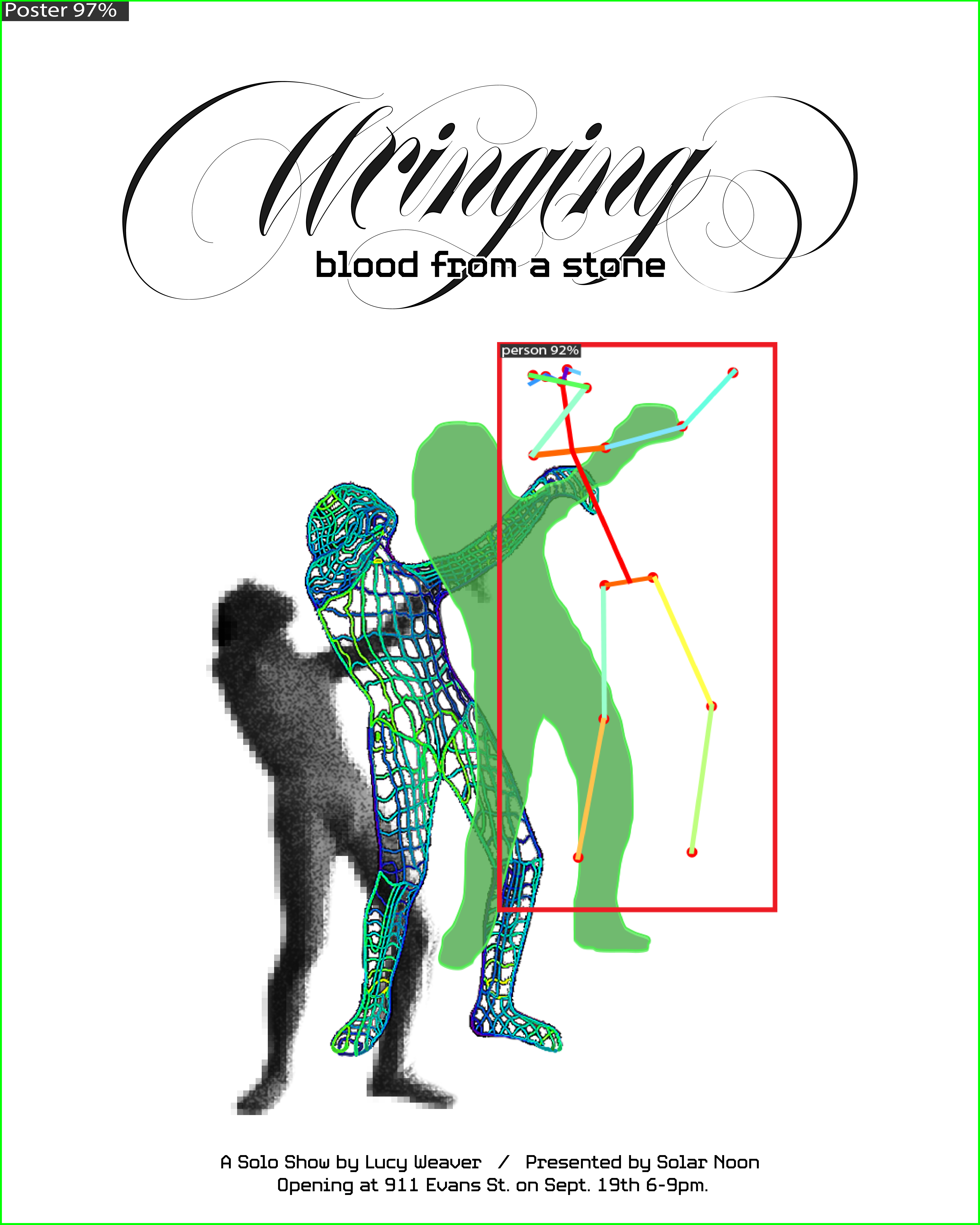
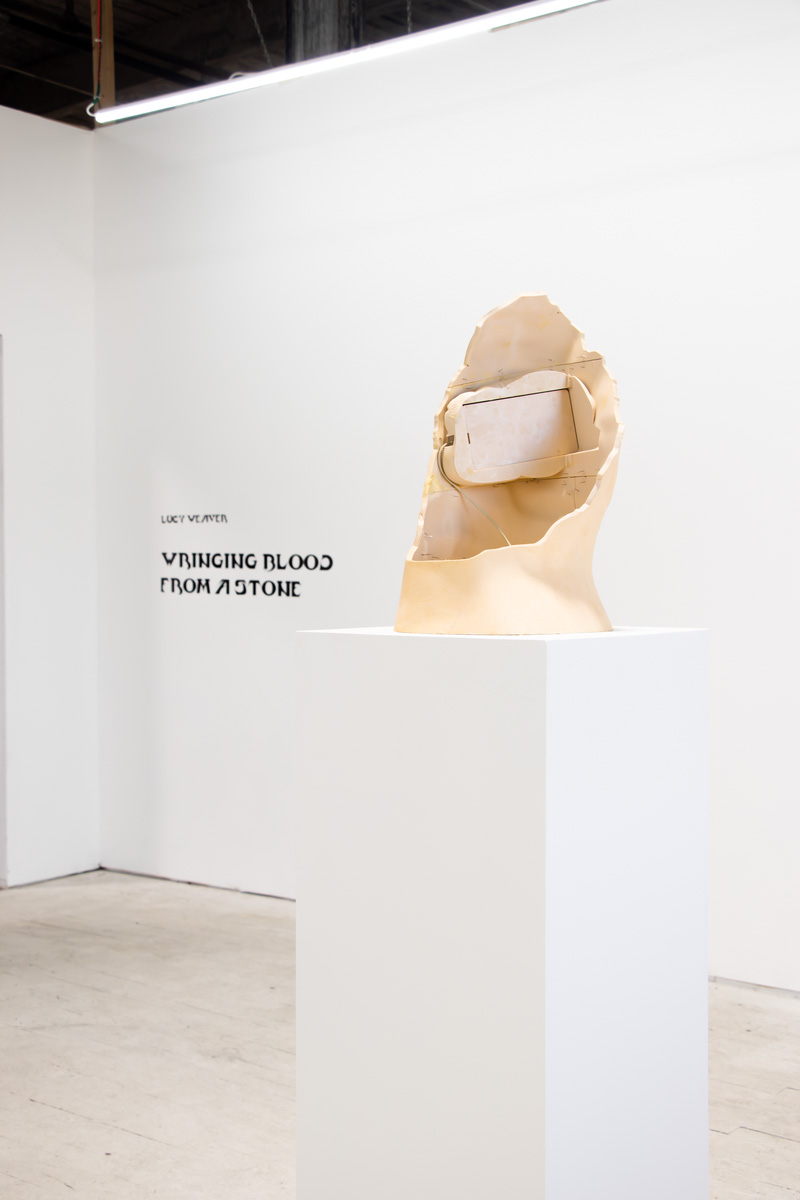
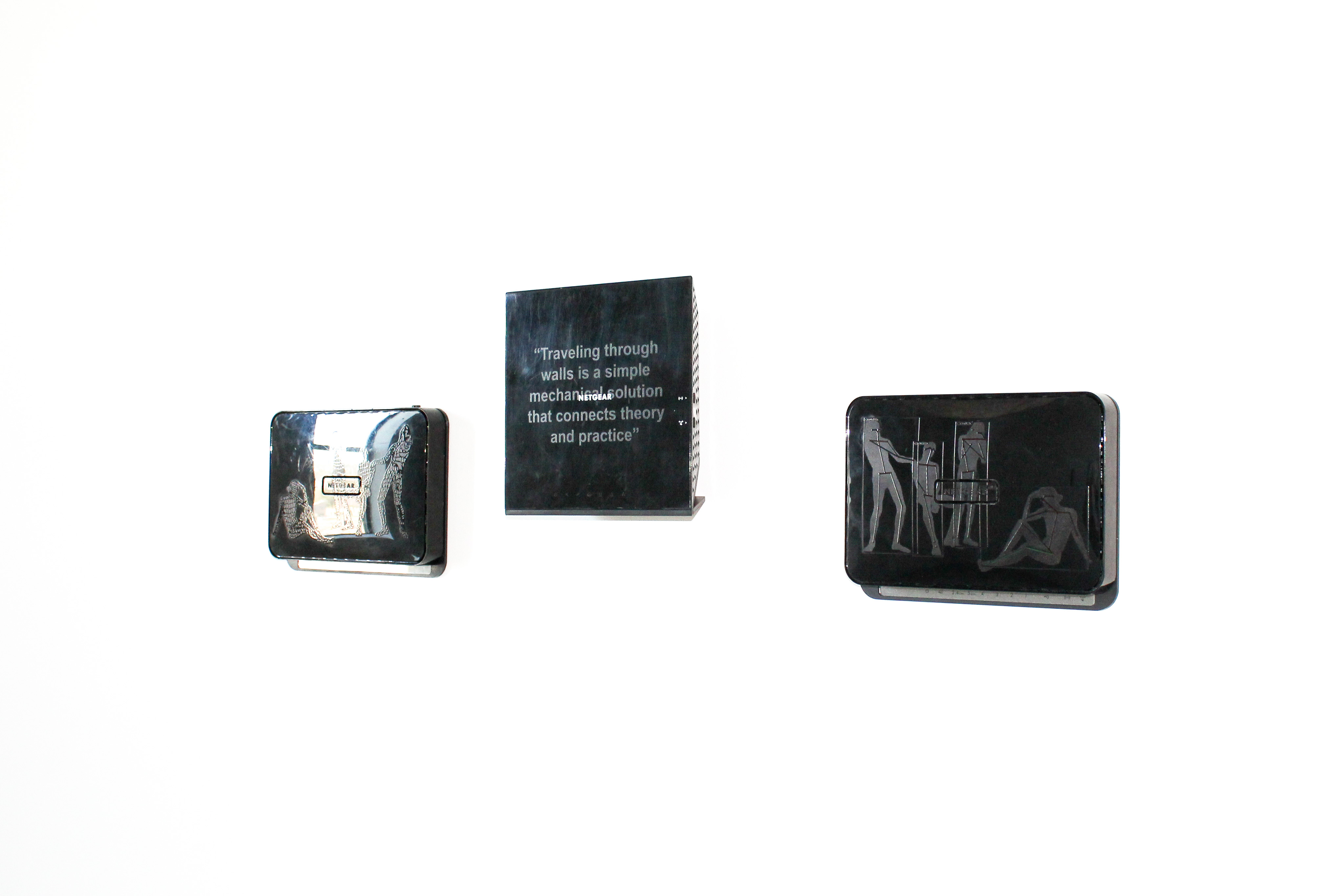
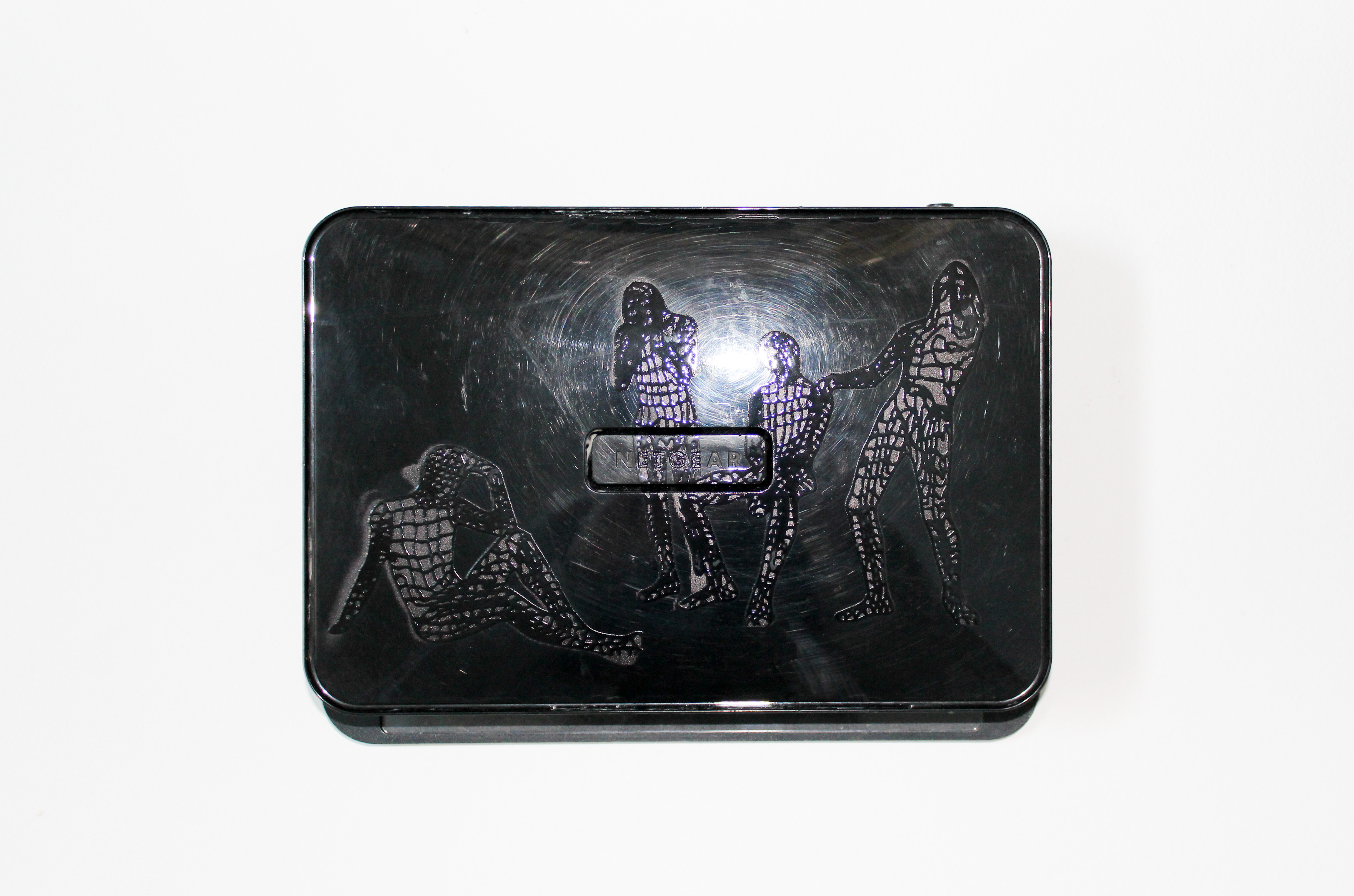
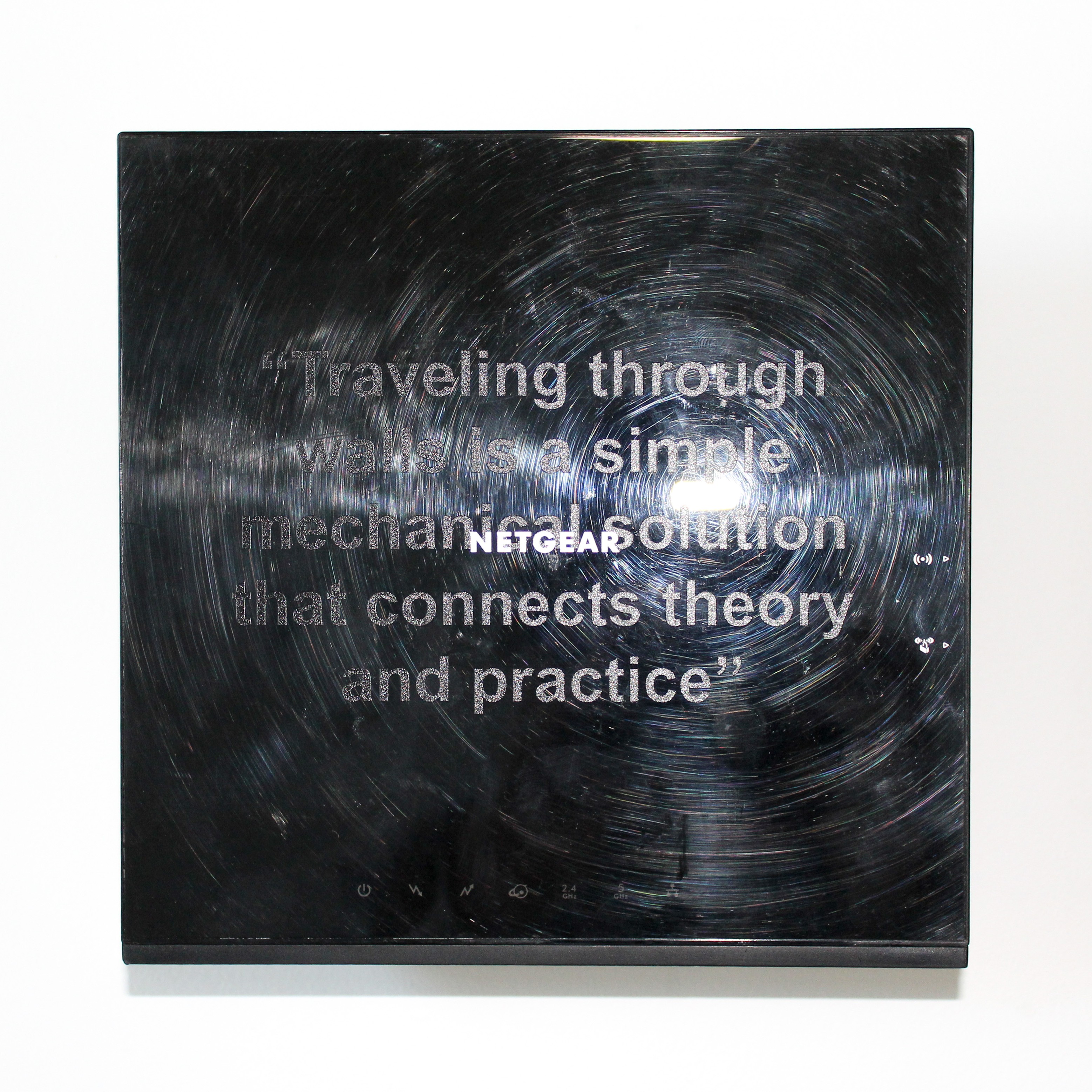
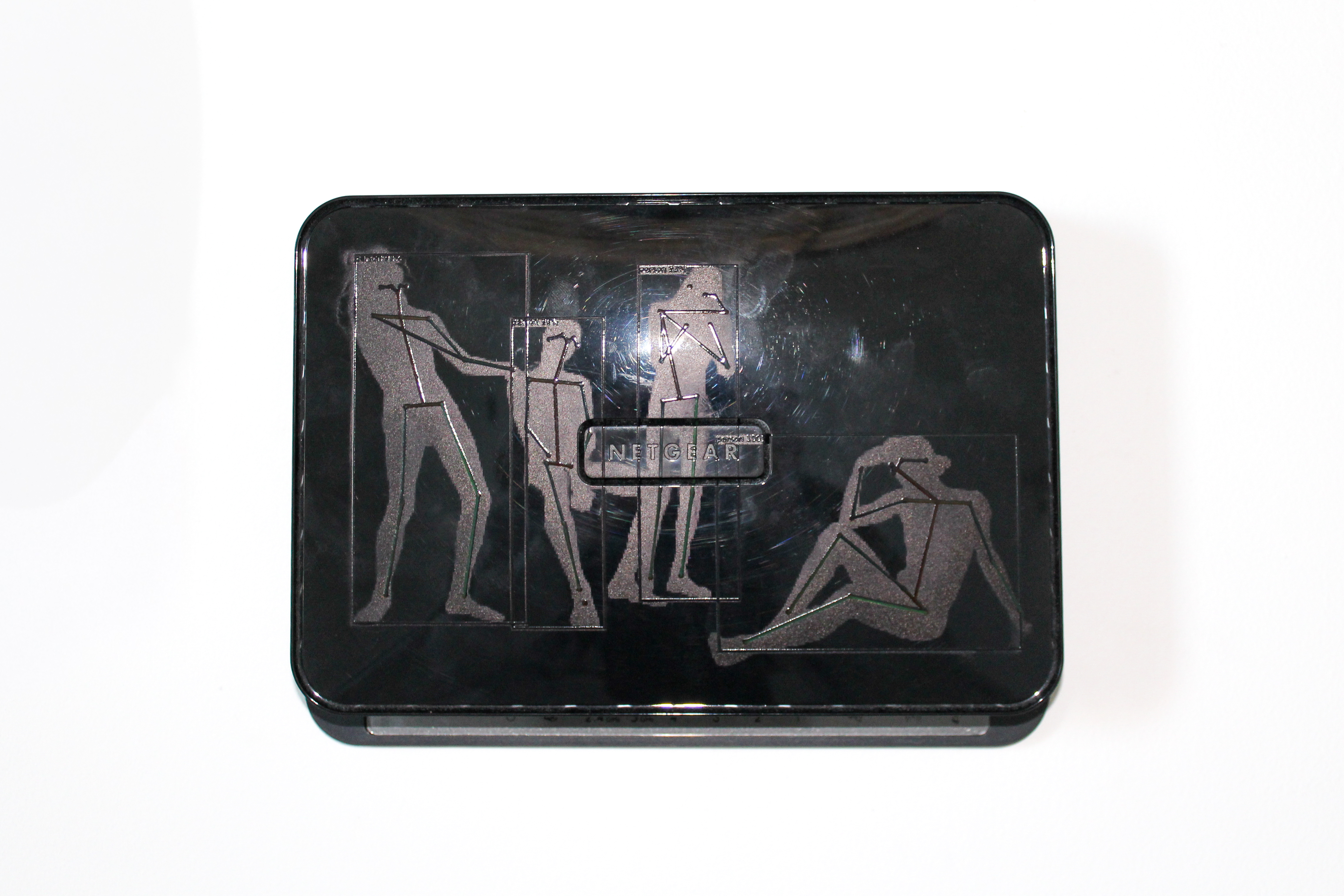
Wringing Blood from a Stone traces an arc through early Christian ritual, the esotericism of British colonialism, optics, theories of the entangled mind, body horror, cartography, surveillance, cybernetics, machine vision, and the limits of perception. Bound together, these disparate subjects form a prism for viewing the struggle central to contemporary understandings of agency: the constant conflict between faith in the data and the immediate corporeal knowledge of bodily sensing.